For some time, it appeared that there was hope for rhinos. In 2002, the number of rhinos killed was 25 which was surprisingly small. It kept improving each year, and in 2006, ten rhinos were killed. In 2007, that number went down to seven and it looked like an end to rhino poaching was approaching. However, since 2008, the numbers of rhinos killed each year has dramatically increased. The years following “the big improvement”, the situation has gotten worse, to the point where, in 2014, we have killed 1215 rhinos for their horns.
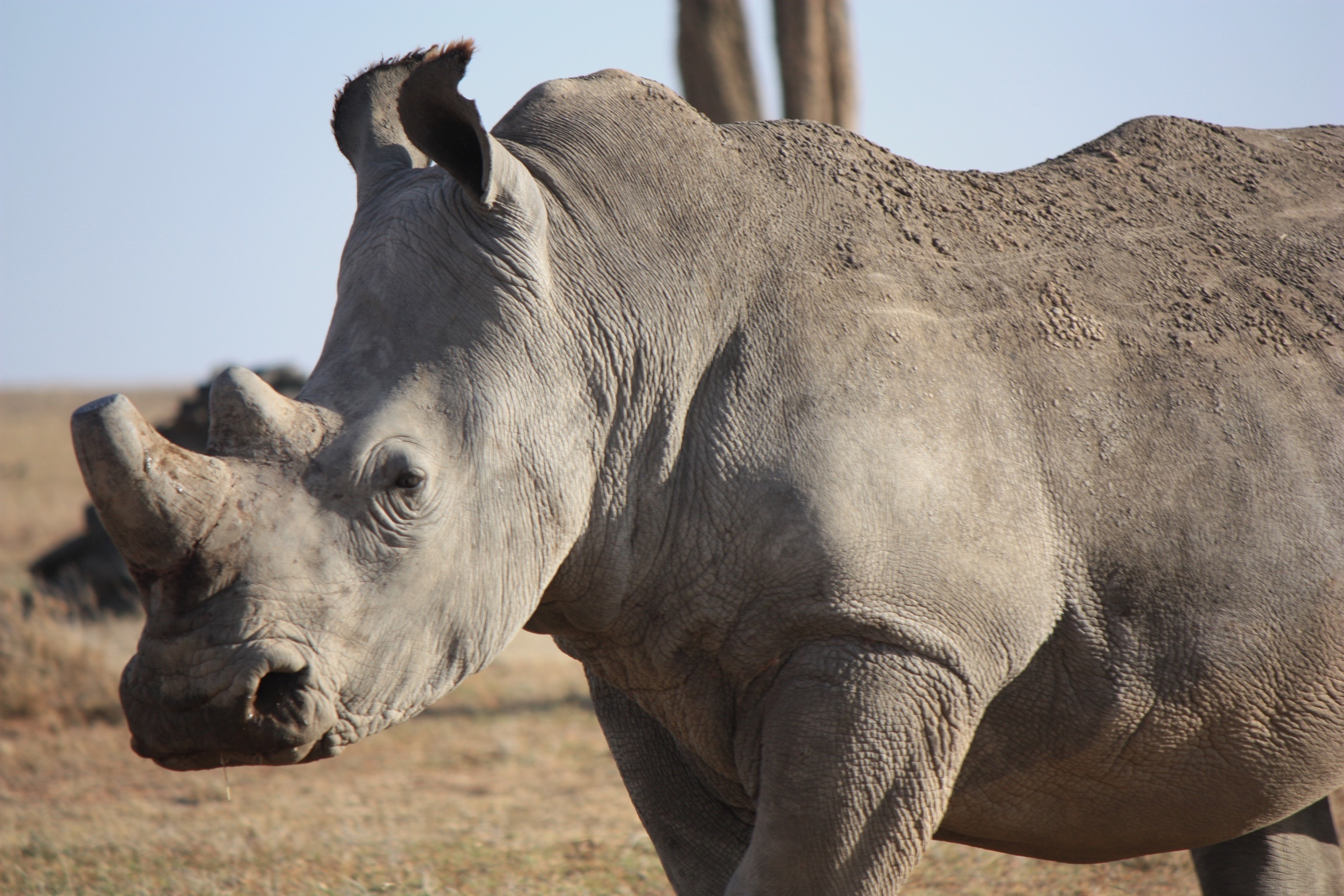
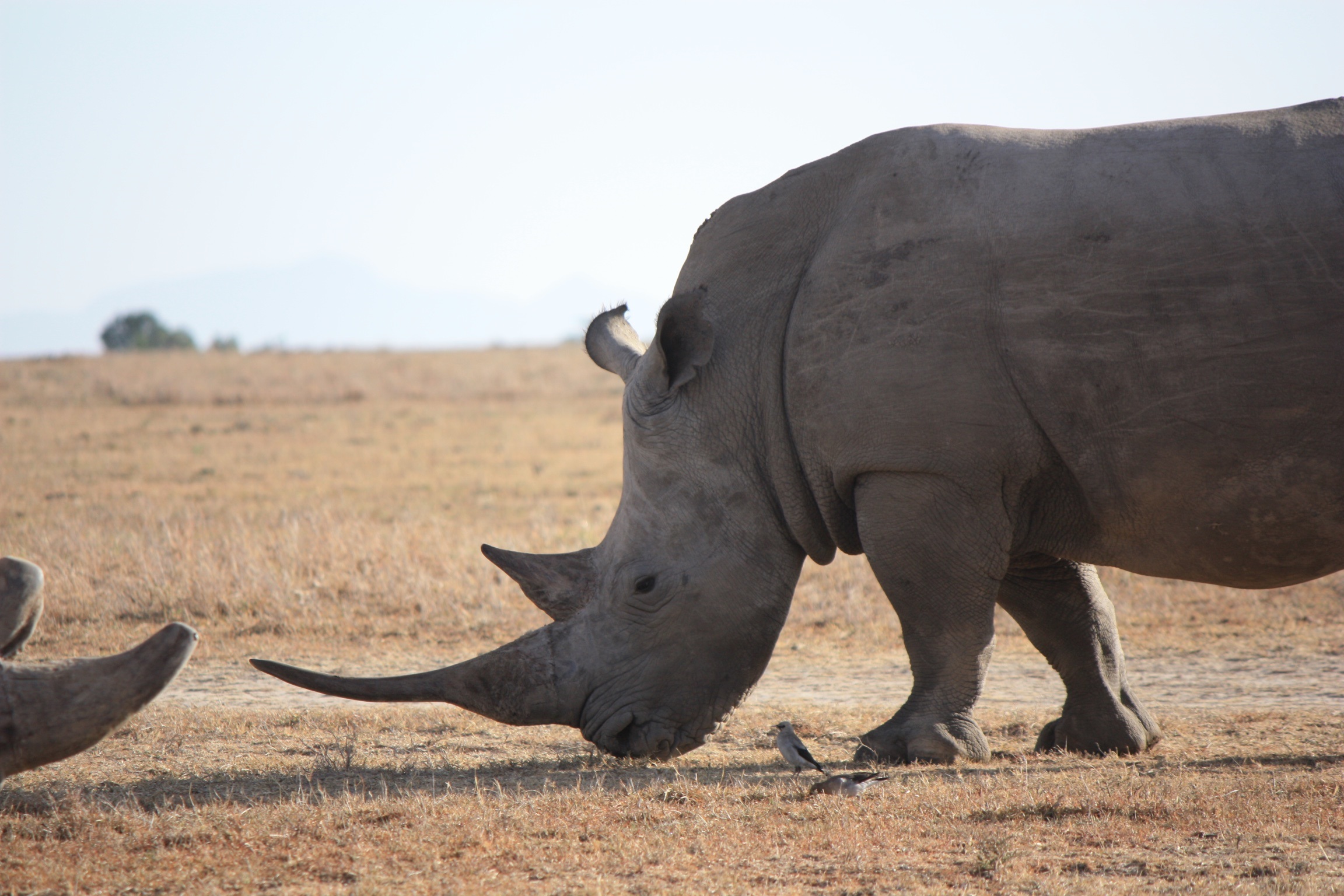
In Africa, we were able to see one of the five remaining northern white rhinos left in the world. We also saw the southern white rhino, and the black rhino. There is no hope for the northern white rhino, as they have tried to introduce them to each other and they will not mate, They will be officially extinct as soon as the five remaining rhinos die. The black rhinos are also endangered, with 4,848 rhinos left. The southern white rhino came back from an extremely close call with extinction and they now have a status of a near threatened species with 20,000 southern white rhinos left.
The poachers, even though they are the ones who kill elephants and rhinos for their ivory, are not the main reason for the approaching extinction of these animals. The big problem we face is the consumers. Their demand for ivory is the main reason these species are endangered, as without the high demand, the poachers have no reason to kill the elephants and rhinos.
In order to stop ivory poaching, we need to stop the consumers from killing elephants and rhinos. In a poll back in 2007, the IFAW (International Fund for Animal Welfare) discovered that 70% of Chinese, the largest consumers of ivory, weren’t aware that they had to kill elephants in order to get their ivory. The word for ivory, in Chinese, means elephant teeth, so many thought getting ivory was similar to pulling out somebody’s teeth. As a result of this poll a campaign was launched to raise awareness of ivory poaching. The campaign was simple enough- a poster explaining ivory poaching and how they got the ivory. The advertisement done by JC Decaux, the biggest outdoor advertising company in the world,
The posters had an outstanding impact on people’s views of ivory. Another survey, this one in 2013, showed that the posters had been seen by 75% of the population, and the number of high-risk consumers of ivory (those who are most likely to buy objects made of ivory) had been cut in half. There is still hope for the animals if we act fast, and are committed to making a difference.
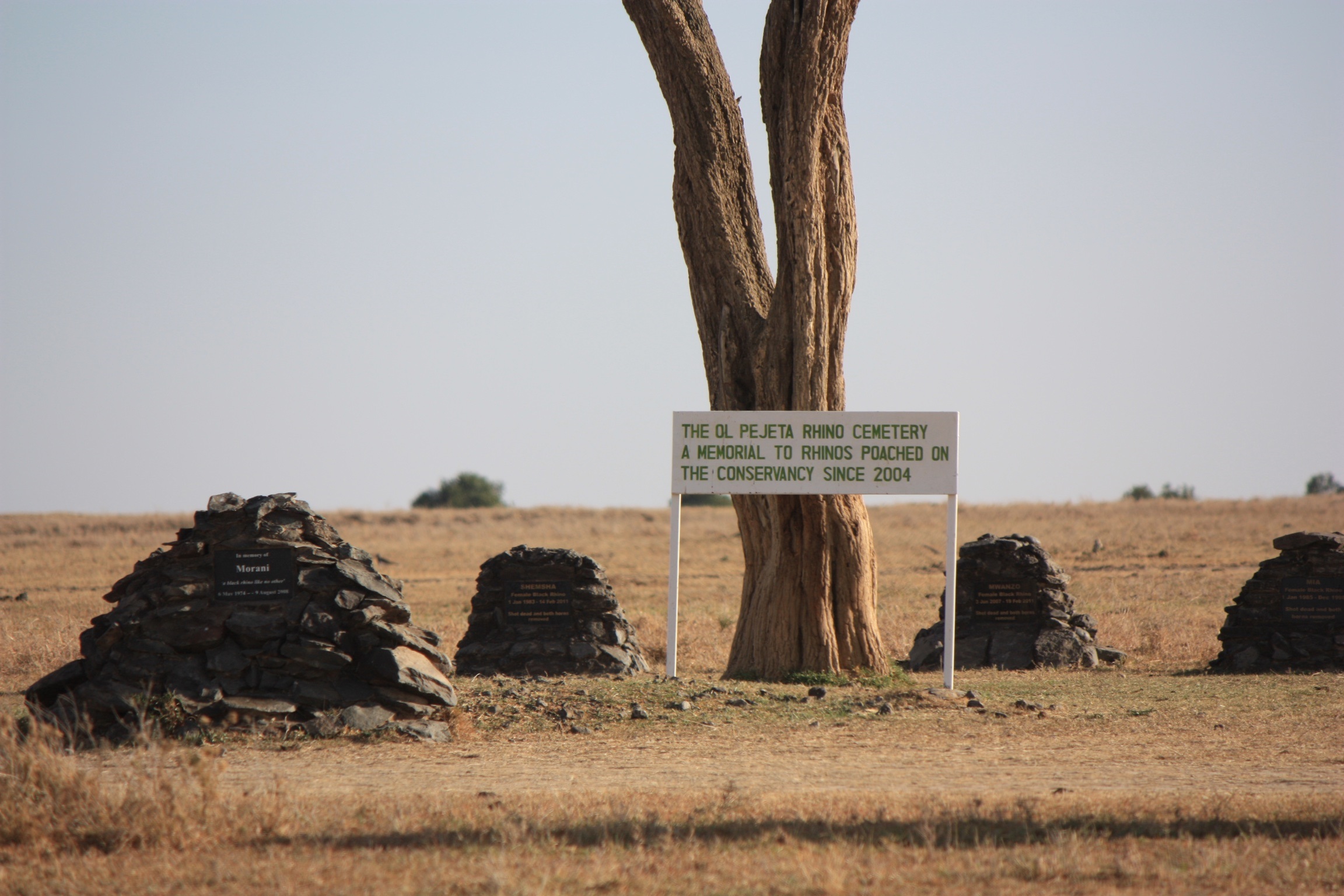
When my family and I were in Africa, we saw many incredible things, but there is one memory in particular that stands out. While we were driving through the plains, we came across a group of about eight rhinos. We drove a bit closer, and we saw eight piles of rocks there, under a tree. There was a sign beside the tree.  That was when you fully realize the effect of poaching on these animals. The rhinos had a life before they were poached; they had a family, friends, and others who would remember them, much like us.
Their death affected the other rhinos, just like the death of someone we knew and cared about would affect us for the rest of our life.
We need to save these animals while we can. There is still hope, but how long will it last?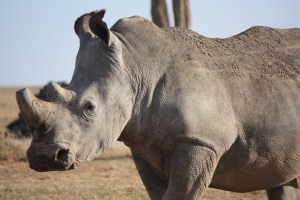


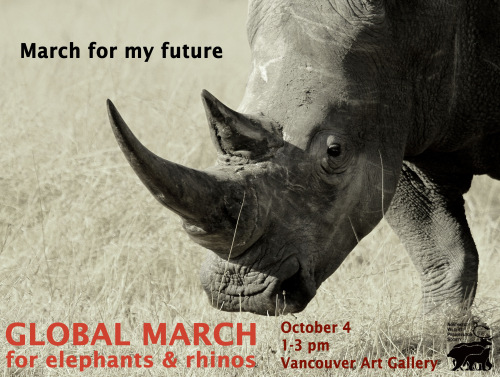
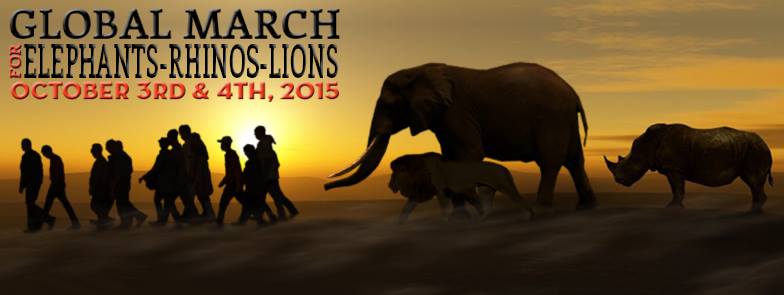
 Hello Global (Vancouver) Marchers!















 Condofire